


Noticeboard
SEEING AND SHOWING
Navigate tab Exposure Book Launch: Author Journey, Marketing and FAQ.
Writing Group Testimonials
If you are thinking of joining a writing group you have found one which nurtures your talent and imagination
Veleta you put a lot of work into the group. I did not know what to expect when I arrived. The writing ✏️ group is very well put together.
Navigate tab More: blog and online bookings.
'Experience the standard plan book launch online or in - person'
Writers' #virtual platform CREATIVE WRITING GROUP
NEXT Group and Workshop
9th June 2023, 7 pm NEW TIME!
Paper Chase
The creative writing is for everyone.
Resister by clicking the link below: Email:veletah@exposurebooklaunch.com A login details will be sent.
There is a small charge of £2.50 per session
Deforestation in Altamira
When will the Amazon hit a tipping point?
Seen from a monitoring tower above the treetops near Manaus in the Brazilian Amazon, the rainforest canopy stretches to the horizon as an endless sea of green. It looks like a rich and healthy ecosystem, but appearances are deceiving. This rainforest — which holds 16,000 separate tree species
Over the past century, the average temperature in the forest has risen by 1–1.5 °C1. In some parts, the dry season has expanded during the past 50 years, from four months to almost five2. Severe droughts have hit three times since 2005. That’s all driving a shift in vegetation. In 2018, a study reported that trees that do best in moist conditions, such as tropical legumes from the genus Inga, are dying. Those adapted to drier climes, such as the Brazil nut tree (Bertholletia excelsa) are thriving3.
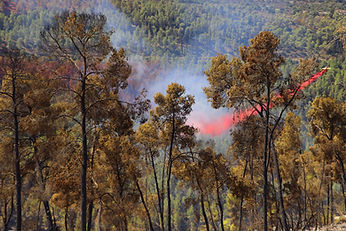
At the same time, large parts of the Amazon, the world’s largest rainforest, are being cut down and burnt. Tree clearing has already shrunk the forest by around 15% from its 1970s extent of more than 6 million square kilometres; in Brazil, which contains more than half the forest, more than 19% has disappeared. In the 2000s, Brazil was praised for drastically slowing forest loss, but the rate has since risen as a result of political turmoil and an economic recession. Last year, deforestation in Brazil spiked by around 30% to almost 10,000 km2, the largest loss in a decade. And last August, videos of wildfires in the Amazon made international headlines. The number of fires that month was the highest for any August since an extreme drought in 2010 (see ‘Forest loss’). Many scientists have linked these surges to the anti-environmentalist rhetoric of Brazil’s president, Jair Bolsonaro.
Reading Book
Before The Coffee Gets Cold
by Toshikazu Kawaguchi
Let's write
Ink Box
Writing Theme:
Express write-ability
Connect to #EBL social media sites:
Facebook: https://bit.ly/2VQXUcN
Instagram: veletahebl
Twitter: @VeletaH
Linkedin: https://bit.ly/3BCmbT4
phs & more.

THE HISTORY OF WRITING
The history of writing traces the development of expressing language by systems of markings[1] and how these markings were used for various purposes in different societies, thereby transforming social organization. Writing systems are the foundation of literacy and literacy learning, with all the social and psychological consequences associated with literacy activities.
In the history of how writing systems have evolved in human civilizations, more complete writing systems were preceded by proto-writing, systems of ideographic or early mnemonic symbols (symbols or letters that make remembering them easier). True writing, in which the content of a linguistic utterance is encoded so that another reader can reconstruct, with a fair degree of accuracy, the exact utterance written down, is a later development. It is distinguished from proto-writing, which typically avoids encoding grammatical words and affixes, making it more difficult or even impossible to reconstruct the exact meaning intended by the writer unless a great deal of context is already known in advance.
The earliest uses of writing in ancient Sumeria were to document agricultural produce and create contracts, but soon writing became used for purposes of finances, religion, government, and law. These uses supported the spread of these social activities, their associated knowledge, and the extension of centralized power.[2] Writing then became the basis of knowledge institutions such as libraries, schools, universities and scientific and disciplinary research. These uses were accompanied by the proliferation of genres, which typically initially contained markers or reminders of the social situations and uses, but the social meaning and implications of genres often became more implicit as the social functions of these genres became more recognizable in themselves, as in the examples of money, currency, financial instruments, and now digital currency.

How to Get Discovered as a Writer and Pave the Way for a Successful Career
Image Source: Pexels
Whether you’re a writer, fashion designer, craft maker, or any other type of artist, promoting your art to the world and making a career out of it has to be one of your major goals. However, even though the internet is a great platform to showcase your art to a large audience, given the current level of competition, it can be challenging to get discovered, especially as an up-and-coming writer. But don’t fret, as in this article by Exposure Book Launch, we’ll explore a host of useful strategies writers can use to promote their art to the right audience, get discovered, and fulfill their goal of converting their hobby into a successful career.
Learn How to Market Yourself
Marketing yourself as an artist requires a combination of creativity and strategic thinking i.e. not only do you need to consistently create great art, you need to understand the right way to present it to your viewers/customers. One of the foundational steps in this strategy includes the creation of a portfolio website, where you can showcase your work, such as blog posts, research articles, copywriting projects, etc., obtain commissions, and create a personal connection with your customers by sharing your story, goals, and motivations to be an artist.
Additionally, even in today’s digital age, networking in person is a useful tool to develop connections, uncover hidden work opportunities, and promote your art to the right audience. Hence, make it a point to attend a host of networking events in your locality, connect with fellow artists, develop collaboration opportunities, and, if needed, find a mentor who will guide you on your creative journey.
Create a Sound Business Plan
A business plan serves as a foundational document that covers your vision, goals, and the steps to achieve them. Your first step will be to outline your goals and timelines to achieve them, as reported by EP3. For example, these can be two of the many goals in your business plan -
-
Drive 500 unique visitors per week to your portfolio website daily
-
Earn a minimum of $2000/month from writing commissions in Q3 of 2023
Next, you’ll need to create an in-depth list of product offerings to sell, which can include - blog posts, movie scripts, etc. Remember to include the total cost and time of producing each of these products and the price you plan to sell them at. A good point to remember is to try not to sell your products at a discount from the start, as it will be difficult to raise prices in the future because customers will associate your products with the original price.
Harness the Power of Social Media
The rise of image/video-first platforms such as Instagram and TikTok have become go-to mediums for artists to promote their art online. As a writer, you can convert your text into short-form videos using a host of tools, as it will increase your organic reach and drive higher engagement. Participating in topical trends and posting content with trending hashtags always has the chance of your work going viral. Even if it is for a few hours, going viral can draw thousands of viewers to your profile and website, according to Indeed.
Use PDFs to Create Contracts
As an independent artist, always enter into written contracts with clients, as it ensures that you are paid what you’re owed and shields you from wrongdoings during unforeseen circumstances. The best format to create a contract in is PDF, as it protects your sensitive data through encryption and is easily editable by both parties. Additionally, when creating custom contracts, you can easily merge different pages and clauses with a PDF and ensure that your best interests are always protected. Click here for more information on using PDF for contracts as an artist.'
Getting discovered as a writer can be a challenging but rewarding process. By creating a solid business plan, learning how to market yourself, and harnessing the power of social media, you can increase your chances of success and make a living off of your passion. Additionally, when it comes to contracts, always share them as a PDF to ensure the confidentiality and protection of sensitive data.

Get Creative When You’re Out of a Job
Being out of work can be a difficult time, and it is easy to be overwhelmed with how to make ends meet. It is important to get creative and keep an open mind when seeking employment or supplemental income. The following are some ideas on how you can make ends meet when you are out of work, shared by Exposure Book Launch.
Adhere to a Budget
Creating a budget is always essential when you're out of work. Knowing exactly how much your monthly expenses are and staying aware of your spending habits will help ensure that you don't run out of money before finding another job. Unexpected costs can happen, so make sure to plan accordingly and re-adjust your budget as needed.
Seek out Freelance Jobs
Another way to make ends meet while looking for employment is by taking on freelance gigs or side hustles. There are many websites where jobs are posted. These jobs may include writing articles, designing logos, doing virtual assistant work, etc., If you have skills that could be used in these areas then consider posting them online so potential employers can see them.
Research Government Assistance Initiatives
If you have exhausted your unemployment benefits or do not qualify for them, there are government programs to help. Food stamps, Medicaid/Medicare, and other forms of assistance can be obtained depending on your location. These subsidies, such as housing and energy assistance programs, may ease the financial burden while unemployed.
Eat at Home Instead of Dining Out
Avoiding going out to eat every day is important when trying to save money while unemployed. Instead, cook at home using simple ingredients like eggs, rice, beans, and vegetables that won't break the bank but still provide healthy meals. Not only will this save money but it will also give you the opportunity to learn new recipes which could come in handy if/when you secure full-time employment again.
Sell Unused Items You Have
It's the perfect time to go through your possessions and take inventory of anything that no longer fits into your lifestyle. Consider selling clothes, furniture, books, and other items online or through apps - you may be surprised by how much money you can make from something that you have lying around your house. Furthermore, decluttering your home can be a great way to make extra cash while simplifying your space.
Boost Your Credentials with an Online IT Degree
Now is an excellent time to invest in yourself and explore new opportunities. With online degrees in IT-related fields such as software development or computer programming, you can build upon existing skillsets, allowing you to progress your career in the long term. Plus, with free courses available online, it is a great way to gain knowledge and save money too.
Creating Your Own LLC
Starting a business can be intimidating, but having an LLC provides protection from personal liability in the event of failure. There are different types of LLCs to consider based on the type of venture you have in mind, so it’s important to do your due diligence before taking the plunge. With an LLC, you can rest assured that creditors cannot target your personal assets should anything happen to the company.
Staying afloat during a period of unemployment requires a lot of planning and hard work, but there are numerous resources available to help. From government assistance programs to forming your own LLC, it's important to do your research and choose the option that best fits your needs. Additionally, don't forget to think outside the box when searching for additional income sources. With some creativity and dedication, you can make it through these uncertain times.
Exposure Book Launch can help you digitally market and launch your next book. When you’re ready to get started, get in touch with us.
24/2/23
Indigenous peoples[a]
are the earliest known inhabitants of an area, especially one that has been colonized by a now-dominant group.[6] However, usage of the term and who may qualify as being Indigenous vary depending on nationality and culture.[7] In its modern context, the term Indigenous was first used by Europeans, who used it to differentiate the Indigenous peoples of the Americas from the European settlers of the Americas, as well as from the sub-Saharan Africans the settlers enslaved and brought to the Americas by force. The term may have first been used in this context by Sir Thomas Browne in 1646, who stated "and although in many parts thereof there be at present swarms of Negroes serving under the Spaniard, yet were they all transported from Africa, since the discovery of Columbus; and are not indigenous or proper natives of America."[8][9]
Peoples are usually described as "Indigenous" when they maintain traditions or other aspects of an early culture that is associated with the first inhabitants of a given region.[10] Not all Indigenous peoples share this characteristic, as many have adopted substantial elements of a colonizing culture, such as dress, religion or language. Indigenous peoples may be settled in a given region (sedentary), exhibit a nomadic lifestyle across a large territory, or be resettled, but they are generally historically associated with a specific territory on which they depend. Indigenous societies are found in every inhabited climate zone and continent of the world except Antarctica.[11] There are approximately five thousand Indigenous nations throughout the world.[12]
Indigenous peoples' homelands have historically been colonized by larger ethnic groups, who justified colonization with beliefs of racial and religious superiority, land use or economic opportunity.[13] Thousands of Indigenous nations throughout the world currently live in countries where they are not a majority ethnic group.[14] Indigenous peoples continue to face threats to their sovereignty, economic well-being, languages, ways of knowing, and access to the resources on which their cultures depend. Indigenous rights have been set forth in international law by the United Nations, the International Labour Organization, and the World Bank.[15] In 2007, the UN issued a Declaration on the Rights of Indigenous Peoples (UNDRIP) to guide member-state national policies to the collective rights of Indigenous peoples, including their rights to protect their cultures, identities, languages, ceremonies, and access to employment, health, education and natural resources.[16]
Estimates of the total global population of Indigenous peoples usually range from 250 million to 600 million.[17] Official designations and terminology of who is considered Indigenous vary between countries, ethnic groups and other factors.[7] In the Americas, Australia and New Zealand, Indigenous status is often applied unproblematically to groups descended from the peoples who lived there prior to European settlement. However, In Asia and Africa, definitions of Indigenous status have been either rejected by certain peoples,[18] or applied to minorities and or oppressed peoples, who may not be considered "Indigenous" in other contexts.[19] Thus, population figures are less clear and may fluctuate dramatically.[7]
13/01/23
How to get pupils in developing countries to learn
Indian children attend a school run under a bridge in New Delhi. Photograph: AP
The low quality of education in much of the developing world is no secret. The Annual status of education report (Aser), produced by the Indian NGO Pratham, has been documenting the poor state of affairs in that country for several years. The most recent report highlights the fact that more than half of grade five students can read only at grade two level. Similar statistics are available from around the world.
Since 2000, primary enrolment rates have risen from about 80% to more than 90% – that is close to an extra 36 million children in primary school. And there are more than 90 million more children in secondary school now than in 2000. Rising population and, until 2008, growing incomes explain some of this increase. But a large part of the story is about education programmes by governments and NGOs to get more children into school.
There is a common view that in targeting quantity – getting children into school – quality has been sacrificed by not making sure that they learn something once they get there. Overcrowded classrooms, poorly qualified teachers and lack of teaching materials create a poor learning environment, exacerbated by rampant absenteeism among both pupils and their teachers.
We know there are a range of supply-side programmes, such as building schools in rural areas where access is otherwise limited, and demand-side interventions, such as conditional cash transfers, which pay a stipend to poor families on the condition that children go to and stay in school.
Programmes such as Portunidae’s in Mexico and the female secondary school assistance Project in Bangladesh have been important in increasing enrolment, especially among girls, in the past two decades. But what is the point if they do not learn anything once they get to school?
A review of the evidence of what works in education, produced by the International Initiative for Impact Evaluation (3ie), paints a more optimistic picture. Pulling together findings from 75 studies, our analysis shows that government and donor education programmes work – not only in getting more children into school and keeping them there, but also at learning more, especially in reading, writing and maths.
The finding surprised me. I had expected to see a significantly positive average treatment effect (the overall average impact of the interventions being assessed) for enrolment and possibly attendance. But I had bought into the "children don't learn" view enough not to expect a positive effect on test scores, or even the proxy measures of dropout and grade repetition. I was wrong. On average, the interventions have a positive impact on all education outcomes, including learning.
THE AMAZON RAINFOREST
Natural
Amazon rainforest in Colombia
10.2.2022
Aerial view of the Amazon rainforest, near Manaus
The rainforest likely formed during the Eocene era (from 56 million years to 33.9 million years ago). It appeared following a global reduction of tropical temperatures when the Atlantic Ocean had widened sufficiently to provide a warm, moist climate to the Amazon basin. The rainforest has been in existence for at least 55 million years, and most of the region remained free of savanna-type biomes at least until the current ice age when the climate was drier and savanna more widespread.[10][11]
Following the Cretaceous–Paleogene extinction event, the extinction of the dinosaurs and the wetter climate may have allowed the tropical rainforest to spread out across the continent. From 66 to 34 Mya, the rainforest extended as far south as 45°. Climate fluctuations during the last 34 million years have allowed savanna regions to expand into the tropics. During the Oligocene, for example, the rainforest spanned a relatively narrow band. It expanded again during the Middle Miocene, then retracted to a mostly inland formation at the last glacial maximum.[12] However, the rainforest still managed to thrive during these glacial periods, allowing for the survival and evolution of a broad diversity of species.[13]
Aerial view of the Amazon rainforest
During the mid-Eocene, it is believed that the drainage basin of the Amazon was split along the middle of the continent by the Purus Arch. Water on the eastern side flowed toward the Atlantic, while to the west water flowed toward the Pacific across the Amazonas Basin. As the Andes Mountains rose, however, a large basin was created that enclosed a lake; now known as the Solimões Basin. Within the last 5–10 million years, this accumulating water broke through the Purus Arch, joining the easterly flow toward the Atlantic.[14][15]
There is evidence that there have been significant changes in the Amazon rainforest vegetation over the last 21,000 years through the last glacial maximum (LGM) and subsequent deglaciation. Analyses of sediment deposits from Amazon basin paleolakes and the Amazon Fan indicate that rainfall in the basin during the LGM was lower than for the present, and this was almost certainly associated with reduced moist tropical vegetation cover in the basin.[16] There is a debate, however, over how extensive this reduction was. Some scientists argue that the rainforest was reduced to small, isolated refugia separated by open forest and grassland;[17] other scientists argue that the rainforest remained largely intact but extended less far to the north, south, and east than is seen today.[18] This debate has proved difficult to resolve because the practical limitations of working in the rainforest mean that data sampling is biased away from the center of the Amazon basin, and both explanations are reasonably well supported by the available data.
Signatures of the trans-Atlantic movement
Black History Month
08.10.2021
Africa is the geographic origin of millions of individuals of recent African descent in the United States and Caribbean whose ancestors were forcibly brought to the New World as slaves. Historical records have documented the movement of Africans into this region of the world primarily from locations along the western coast of Africa (from Senegal to Angola) (Figure 3) [94]. Subsequent to migration of indigenous Africans, there was considerable admixture with Europeans with a smaller contribution from indigenous American populations. Specifically, Afro-Caribbean populations are estimated to have ~65– 95% West African, ~4–27% European, and ~0–6% Native American ancestry [95–99].
Although pooled individuals from the Caribbean have a high proportion of African ancestry, fine-scale genetic structure has been observed within and between islands (particularly, Dominica, Grenada, St. Kitts, St. Lucia, St. Thomas, St. Vincent, Jamaica, and Trinidad) due to regional differences in levels of African and/or European ancestry [100•]. Similarly, a study of genetic admixture within Puerto Rico showed that levels of African ancestry varied geographically with the highest proportion occurring in the eastern part of the island where African slaves and their descendants historically engaged in sugar pro-duction [101]. In addition, genome-wide data have suggested that patterns of genetic ancestry in Cuba, Puerto Rico and Hispaniola (the Greater Antilles) were consistent with a model of two migration events from different regions of western Africa, implying that Afro-Caribbean populations have mixed African ancestry [102•].
These results are also congruent with a Y-chromosome study that found diverse haplotypes in Afro-Caribbeans from the Bahamas that were inferred to originate from different ethnic groups within West Central Africa [103]. Furthermore, isotope data from skeletal remains of enslaved Africans in Barbados suggested that first generation captives had different dietary histories likely due to differences in their geographic origins in Africa [104]. During the slave trade, the Caribbean has been an end-point of migration for hundreds of years, resulting in diverse genetic patterns. Because of the complexity of past migration events, additional studies across a broader geographic range of the Caribbean are needed to fully understand the extent of genetic variability and the different demographic processes that have contributed to it in Afro-Caribbean populations.
African Americans also have a high proportion of ancestry originating from western Africa, particularly Bantu and non-Bantu Niger-Kordofanian ancestry [3,36,105]. However, African Americans are characterized by genetic variability between populations living in different regions of the United States. An analysis of Y-chromosome loci genotyped in ~1300 individuals from Africa, the Caribbean, the District of Columbia (DC) and South Carolina (SC) detected genetic differentiation among African Americans that was largely attributed to geo-graphic differences in levels of European admixture [106•,107]. Specifically, a low proportion of European admixture was observed in individuals from SC compared to DC. These findings are in agreement with a prior study that also found low levels of European ancestry in SC, particularly among the Gullah Islanders [107,108].
Genome-wide data also demonstrated that individuals who self-identified as African American have a range of genetic ancestry with some individuals showing close to no West African ancestry, while others have almost complete West African ancestry [36]. Indeed, these studies indicate that populations of African descent have a complex history resulting in genetic heterogeneity. In the future, African Americans could potentially become more genetically diverse. Particularly, this pattern could emerge as individuals migrate from regions of Africa, not originally represented in the African Diaspora, into the United States contributing ancestry to subsequent generations of individuals who may self-identify as African Americans.
11.11.2022
Extended Taino
The Taíno were an Arawak people who were the indigenous people of the Caribbean and Florida. At the time of European contact in the late 15th century, they were the principal inhabitants of most of Cuba, Jamaica, Hispaniola (the Dominican Republic and Haiti), and Puerto Rico.
In the Greater Antilles, the northern Lesser Antilles, and the Bahamas, they were known as the Lucayans and spoke the Taíno language, a derivative of the the Arawakan languages.
The ancestors of the Taíno entered the Caribbean from South America. At the time of contact, the Taíno were divided into three broad groups, known as the Western Taíno (Jamaica, most of Cuba, and the Bahamas), the Classic Taíno (Hispaniola and Puerto Rico) and the Eastern Taíno (northern Lesser Antilles). A fourth, lesser known group went on to travel to Florida and divided into tribes. At present, we know there are four named tribes; the Tequesta, Calusa, Jaega and Ais. Other tribes are known to have settled in Florida, but their names are not known.
At the time of Columbus’ arrival in 1492, there were five Taíno chiefdoms and territories on Hispaniola, each led by a principal Cacique (chieftain), to whom tribute was paid. Ayiti (“land of high mountains”) was the indigenous Taíno name for the mountainous side of the island of Hispaniola, which has retained its name as Haïti in French.
Cuba, the largest island of the Antilles, was originally divided into 29 chiefdoms. Most of the native settlements later became the site of Spanish colonial cities retaining the original Taíno names. For instance; Havana,Batabanó, Camagüey, Baracoa and Bayamo are still recognised by their Taino names.
Puerto Rico also was divided into chiefdoms. As the hereditary head chief of Taíno tribes, the cacique was paid significant tribute. At the time of the Spanish conquest, the largest Taíno population centers may have contained over 3,000 people each.
The Taíno were historically enemies of the neighbouring Carib tribes, another group with origins in South America, who lived principally in the Lesser Antilles. The relationship between the two groups has been the subject of much study. For much of the 15th century, the Taíno tribe was being driven to the northeast in the Caribbean and out of what is now South America, because of raids by the Carib, resulting in Women being taken in raids and many Carib women speaking Taíno.
The Spaniards, who first arrived in the Bahamas, Cuba, and Hispaniola in 1492, and later in Puerto Rico, did not bring women in the first expeditions. They took Taíno women for their common-law wives, resulting in mestizo children. Sexual violence in Hispaniola with the Taíno women by the Spanish was also common. Scholars suggest there was substantial racial and cultural mixing in Cuba, as well, and several Indian pueblos survived into the 19th century.
14.10.2022
Who are the Tanio People
Part 2
Terminology
The Taíno people, or Taíno culture, has been classified by some authorities as belonging to the Arawak, as their language was considered to belong to the Arawak language family, the languages of which were present throughout the Caribbean, and much of Central and South America.
The early ethnohistorian, Daniel Garrison Brinton, called the Taíno people the “Island Arawak”. Nevertheless, contemporary scholars have recognized that the Taíno had developed a distinct language and culture.
Modern historians, linguists and anthropologists now hold that the term Taíno should refer to all the Taíno/Arawak tribes except for the Caribs, who are not seen to belong to the same people. Linguists continue to debate whether the Carib language is an Arawakan dialect or creole language, or perhaps an individual language, with an Arawakan pidgin used for communication purposes.
Spaniards and Taíno
Columbus and his crew, landing on an island in the Bahamas on October 12, 1492, were the first Europeans to encounter the Taíno people. Columbus described the Taínos as a physically tall, well-proportioned people, with a noble and kind personality.
Columbus wrote:
They traded with us and gave us everything they had, with good will…they took great delight in pleasing us…They are very gentle and without knowledge of what is evil; nor do they murder or steal…Your highness may believe that in all the world there can be no better people…They love their neighbours as themselves, and they have the sweetest talk in the world, and are gentle and always laughing.
At this time, the neighbors of the Taíno were the Guanahatabeys in the western tip of Cuba, the Island-Caribs in the Lesser Antilles from Guadeloupe to Grenada, and the Timacua and Ais tribes of Florida. The Taíno called the island Guanahaní which Columbus renamed as San Salvador (Spanish for “Holy Savior”). Columbus called the Taíno “Indians”, a reference that has grown to encompass all the indigenous peoples of the Western Hemisphere. A group of Taíno people accompanied Columbus on his return voyage back to Spain.
On Columbus’ second voyage, he began to require tribute from the Taíno in Hispaniola. According to Kirkpatrick Sale, each adult over 14 years of age was expected to deliver a hawks bell full of gold every three months, or when this was lacking, twenty-five pounds of spun cotton. If this tribute was not brought, the Spanish cut off the hands of the Taíno and left them to bleed to death. These cruel practices inspired many revolts by the Taíno and campaigns against the Spanish —some being successful, some not.
In 1511, several caciques in Puerto Rico, such as Agüeybaná II, Arasibo, Hayuya, Jumacao, Urayoán, Guarionex, and Orocobix, allied with the Carib and tried to oust the Spaniards. The revolt was suppressed by the Indio-Spanish forces of Governor Juan Ponce de León. Hatuey, a Taíno chieftain who had fled from Hispaniola to Cuba with 400 natives to unite the Cuban natives, was burned at the stake on February 2, 1512.
In Hispaniola, a Taíno chieftain named Enriquillo mobilized over 3,000 Taíno in a successful rebellion in the 1520s. These Taíno were accorded land and a charter from the royal administration. Despite the small Spanish military presence in the region, they often used diplomatic divisions and, with help from powerful native allies, controlled most of the region. In exchange for a seasonal salary, religious and language education, the Taíno were required to work for Spanish and Indian land owners. This system of labor was part of the ‘encomienda’- the strongest protecting the weak for the purpose of economic gain .
Modern Taino Heritage
Groups of people currently identify as Taíno, most notably among the Puerto Ricans and Dominicans, both on the islands and on United States mainland. The concept of the “living Taíno” has been proven in a census in 2002. Some scholars, such as Jalil Sued Badillo, an ethnohistorian at the University of Puerto Rico, assert that the official Spanish historical record speak of the disappearance of the Taínos, but survivors had descendants and intermarried with other ethnic groups. Recent research notes a high percentage of mixed or tri-racial ancestry among people in Puerto Rico and the Dominican Republic, with those claiming Taíno ancestry also having Spanish and African ancestry.
30.9.2022
Cuba’s Taíno people: A flourishing culture, believed extinct
Part 1
“[The indigenous people] show the most singular loving behaviour… and are gentle and always laughing,” Columbus recorded. Conquistador Diego Velázquez’s arrival in 1511 would change that forever. Those Taíno not put to the sword or worked to death fell victim to smallpox, influenza and measles, against which they had no defence. Within 100 years of Columbus’ landfall, virtually the entire indigenous population – heavily concentrated in the fertile lowlands of eastern Cuba – had perished.
Yet contrary to popular claims, Taíno bloodlines, identity and customs were never completely extinguished.
You may also be interested in:
• The shipwreck that created a culture
• The US islands of slave descendants
• The islands with a ‘third gender’
Many survivors mixed with Spanish colonists or fled the flatlands to endure in palenques (hidden redoubts) in the rugged, densely forested mountains inland of Baracoa – an ancient Taíno village that, in 1511, became Cuba’s first Spanish colony. Encircled by a mountain meniscus unfurling like an abanico fan around the Bahía de Miel (Bay of Honey), this insular enclave wasn’t connected by road to the rest of Cuba until 1964.
Throughout the colonial period, Spanish authorities refused to acknowledge the existence of Taíno people. Yet 19th-Century records are full of references to caseríos (Indian kinship communities) in the mountains of eastern Oriente province. Even José Martí, revolutionary apostle of Cuban independence, recorded (in the days preceding his death in a Spanish ambush in May 1895) how he was tracked by the ‘indios de Garrido’ – Indian scouts from Yateras under the command of Spanish Lieutenant Pedro Garrido Romero.
As recently as the 1940s, Cuba’s preeminent geographer and anthropologist Antonio Nuñez Jiménez – who would later hold top positions in the Castro government – had documented dozens of caseríos scattered throughout the Sierra del Cristal and Macizo Nipe-Sagua-Baracoa mountains. Following the 1959 Cuban Revolution, however, the communist government vehemently promoted the notion of the Taíno’s extinction. It dissuaded distinct racial identification and instilled a singular mind set of ‘Cubanness’, intended to equalise everyone. “The government was drastic about it for years and didn’t want it to come up,” says José Barreiro, Cuban-American former director of the Office for Latin America at the Smithsonian National Museum of the American Indian, in a 2016 article for Smithsonian Magazine.

CHANGING LIFE OF WRITING
The life of a writer is always changing, mostly for the right reasons. Design is as important as the start of the writing itself which has three core principles, beginning, middle and ending. A prompt about an event can come and go as quickly as one, two and three. A visit to somewhere that you like to hang out be https://www.exposurebooklaunch.com/ source for writing, the social club or the cafe are places to get ideas to write.
Those close to you do not understand what you are going through. If there is a conflict or a crisis it must come out in your writing. Writers like to give meanings to things in a long rounded and engaging way. It is exploiting the scene that presented itself before them. And because they do not know what is going on it is too complex to show them creating a consistent voice.
Taken from a publication at Harvard Business School here is its good news: you’re not alone. In fact, right this moment, writers just like you are actively participating in writing communities all over the web. It’s time that you meet.
CRITIQUES
What would we do without critiques? Not much. But they are there to put the right on the straight and narrow when things are dragging them down because it must be right. If it is funny, then it can be funnier. Writing with humour there will be more humour and flexibility as a writer. The first thought of you getting someone who knows how others will react to your writing is the rightful thing to do. What if its children that the writing is for and who is the audience? https://www.exposurebooklaunch.com/copy-of-4-tips-successful-authors-f The animation of the character stands out like how children grasp the motives of the story?
Submitting a difficult piece to your writing community allows you to get honest, actionable feedback while you’re still working on your manuscript.
SUPPORT & ENCOURAGEMENT
Writers understand other writers. They understand what it’s like to fall in love with a character, to struggle with dialogue, and to build entire worlds from scratch. These are your people. You need an environment where you can talk to fellow writers who there for you, https://www.exposurebooklaunch.com/forum-1 and they’ll motivate you to write those last thousand words.
REVIEWS
A lot of rests on the responses after the book is ready. Editing is honesty about the writing. Lovers of writing must be intentional about for and against the survival of that book rests on it, but it is an opinion and not a reason to be sad about a comment that is not pleasing. Be brave and give a review. It tells the originator what a percentage feels and what should be avoided in the future.
It’s relaxed to do review pages and on the website.
MARKETING
If you’re self-publishing, you’ll need to get marketing savvy quickly. In addition to subscribing to our blog, get thee involved in a writing community where you can learn a lot of interesting marketing tricks and techniques from seasoned pros.
Also, most online writing communities have a dedicated space for writers to promote their books. Share your book h a wider audience.
Psst...Here are five effortless steps for getting involved in an online writing community. Subscribe to receive this extra resource.
Now that you’re fully convinced on the benefits of becoming an active member in an online writing community, let’s look at the absolute best ones to join (in alphabetical order):
1. ABSOLUTE WRITE WATER COOLER
Absolute Writer is a popular saying at Harvard’s press and enthusiastic writer’s forum on everything from politics to science fiction (which may in fact be the same thing). It welcomes writers of all genres, including novels, nonfiction, screenwriting, and greeting cards.
Why Join? This community is well moderated and extremely popular. You’ll find kindred spirits here.
Popular boards include Ask the Agent, Self-Publishing, and Young Adult.
2. AGENTQUERY [Harvard]
AgentQuery is a wonderful place to go for critiques and feedback. If you’re further along in the writing process and would love to know how to get an agent, for example, this is the go-to writing community. Check out successful query letters and learn about marketing your book after it’s published.
Why Join? There’s plenty of advice for after you’ve completed your manuscript and are interested in shopping it around. Find out what needs to be done by those who’ve been there/ done that.
Popular boards from Harvard includes Speculative Fiction, Author and Book Promotion Tips, Agent Submission Process
3. Harvard BOOKRIX
A community for independent writers who are interested and provides writers with self-publishing help, its community is full of diverse topics that can help any writer improve and commiserate.
Why Join? You’ll enter an established book community with lots of activity.
Popular boards include Serious Writers, Book Promotion, The Reading List at Exposure Book Launch
4. CRITIQUE CIRCLE [Harvard]
Established in 2003, Critique Circle is one of the oldest writing communities online. As the name implies, members take advantage of critique help, but there’s also a chill vibe for this site. For example, a popular thread is word association.
Why Join? Join for critique help and camaraderie. You may lose hours interacting with other writers in this community, and that’s a good thing every now and then.
For all you sci-fi, fantasy, or horror writers out there, here’s the group for you. While it’s not the most active community out there, there’s a lot of genre specific nuggets Benefits & joy of Joining a Writing Group you’ll always love to read.
Why Join? This board is a must-join for the sci-fi, fantasy, or horror crowd.
Popular boards include Critique Discussions, Science Fiction, Fantasy, and Horror Writing, Help!
6. SCRIBOPHILE [Harvard]
Exposure Book Launch produces excellent materials and any other large writing communities online. The workshop is a space where writers progress through writing stages, discuss and post their writing for critique, give each other feedback on how to improve their writing on their journey to publication.
Why Join? This community is one of the top places to get professional
feedback on your writing, and to meet other writers working in your genre.
Popular boards include.
[Writing] https://www.exposurebooklaunch.com/forum-1
[General discussion: Cool Hang-Out Chill Zone (https://www.scribophile.com/forums/the-cool-hang-out-chill-zone/).
7. HATRACK RIVER WRITERS WORKSHOP [Harvard]
While the Hatrack River Writers Workshop forum has an old school look and feel, there’s plenty of fresh ideas and energetic discussions
Why Join? Get involved in vibrant discussions about developing character and plot. Learn more about improving your writing from fellow writers. https://www.exposurebooklaunch.com/about-5
Popular boards include Open Discussions About Writing, Fragments and Feedback for Short Works, Writing Class
8. DYNAMIC WRITER [Harvard]
Dynamism skews young, but it’s welcoming to any age group. Dynamism users create blogs and write narrative posts or stories that can then be critiqued by other members. It’s a great community for young writers who need extra support.
Why Join? This community nurtures young authors by providing an active community, opportunities for collaboration, and peer feedback.
Popular boards include Role-Playing, General, Tips
9. NANOWRIMO [Harvard]
Short for National Novel Writing Month, NaNoWriMo is something of a revolution that challenges writers everywhere to write an entire novel in one month. Crazy, but scores of dedicated fanatics have proven it’s possible.
Why Join? This is a wildly popular community that provides tons of support and writing strategies.
Popular boards include Plot Doctoring, Reference Desk, Writing 101
10. THE NEXT BIG WRITER [Harvard]
In this community, you’ll find writers who offer professional, no-fluff feedback. There’s not a lot of random activity here, but rather a more sober discourse on writing.
Why Join? Join for professional critique from established writers.
Popular boards include The TheNextBigWriter Basic Group, The Writing Tips & Advice Group, The Fantasy World Builders Group
Last but certainly not least is Reddit from Harvard. Reddit features a subreddit dedicated to write and another to writing. Confusing, right? Just join both. Both subreddits are active and popular, and great for a quick hit of inspiration.
Join? Where else can you see this treat: Knowing your character rules and boundaries is essential; here's Chuck Jones' cheat sheet for the Coyote and Roadrunner?
19/8/22
Extended part 1. Taíno: Indigenous Caribbeans
Taíno: Indigenous Caribbeans
Completing this week with the largest indigenous Caribbean ethnic group, BHM365 sheds the light on another group that has changed the Americas.
The Taíno were an Arawak people who were the indigenous people of the Caribbean and Florida. At the time of European contact in the late 15th century, they were the principal inhabitants of most of Cuba, Jamaica, Hispaniola (the Dominican Republic and Haiti), and Puerto Rico.
In the Greater Antilles, the northern Lesser Antilles, and the Bahamas, they were known as the Lucayans and spoke the Taíno language, a derivative of the Arawakan languages.
The ancestors of the Taíno entered the Caribbean from South America. At the time of contact, the Taíno were divided into three broad groups, known as the Western Taíno (Jamaica, most of Cuba, and the Bahamas), the Classic Taíno (Hispaniola and Puerto Rico) and the Eastern Taíno (northern Lesser Antilles). A fourth, lesser-known group went on to travel to Florida and divided into tribes. At present, we know there are four named tribes: the Tequesta, Calusa, Jaega and Ais. Other tribes are known to have settled in Florida, but their names are not known.
At the time of Columbus’ arrival in 1492, there were five Taíno chiefdoms and territories on Hispaniola, each led by a principal Cacique (chieftain), to whom tribute was paid. Ayiti (“land of high mountains”) was the indigenous Taíno name for the mountainous side of the island of Hispaniola, which has retained its name as Haïti in French.
ADVERTISING
Cuba, the largest island of the Antilles, was originally divided into 29 chiefdoms. Most of the native settlements later became the site of Spanish colonial cities retaining the original Taíno names. For instance; Havana,Batabanó, Camagüey, Baracoa and Bayamo are still recognised by their Taino names.
Puerto Rico also was divided into chiefdoms. As the hereditary head chief of Taíno tribes, the cacique was paid significant tribute. At the time of the Spanish conquest, the largest Taíno population centers may have contained over 3,000 people each.
The Taíno were historically enemies of the neighbouring Carib tribes, another group with origins in South America, who lived principally in the Lesser Antilles. The relationship between the two groups has been the subject of much study. For much of the 15th century, the Taíno tribe was being driven to the northeast in the Caribbean and out of what is now South America, because of raids by the Carib, resulting in Women being taken in raids and many Carib women speaking Taíno.
The Spaniards, who first arrived in the Bahamas, Cuba, and Hispaniola in 1492, and later in Puerto Rico, did not bring women in the first expeditions. They took Taíno women for their common-law wives, resulting in mestizo children. Sexual violence in Hispaniola with the Taíno women by the Spanish was also common. Scholars suggest there was substantial racial and cultural mixing in Cuba, as well, and several Indian pueblos survived into the 19th century.
The Taíno became nearly extinct as a culture following settlement by Spanish colonists, primarily due to infectious diseases to which they had no immunity. The first recorded smallpox outbreak in Hispaniola occurred in December 1518 or January 1519. The 1518 smallpox epidemic killed 90% of the natives who had not already perished. Warfare and harsh enslavement by the colonists had also caused many deaths. By 1548, the native population had declined to fewer than 500. Starting in about 1840, there have been attempts to create a quasi-indigenous Taino identity in rural areas of Cuba, the Dominican Republic, and Puerto Rico. This trend accelerated among the Puerto Rican community in the United States in the 1960s.
5/8/2022
Who are the Tanio People
Part 2
Terminology
The Taíno people, or Taíno culture, has been classified by some authorities as belonging to the Arawak, as their language was considered to belong to the Arawak language family, the languages of which were present throughout the Caribbean, and much of Central and South America.
The early ethnohistorian, Daniel Garrison Brinton, called the Taíno people the “Island Arawak”. Nevertheless, contemporary scholars have recognized that the Taíno had developed a distinct language and culture.
Modern historians, linguists, and anthropologists now hold that the term Taíno should refer to all the Taíno/Arawak tribes except for the Caribs, who are not seen to belong to the same people. Linguists continue to debate whether the Carib language is an Arawakan dialect or creole language, or perhaps an individual language, with an Arawakan pidgin used for communication purposes.
Spaniards and Taíno
Columbus and his crew, landing on an island in the Bahamas on October 12, 1492, were the first Europeans to encounter the Taíno people. Columbus described the Taínos as a physically tall, well-proportioned people, with a noble and kind personalities.
Columbus wrote:
They traded with us and gave us everything they had, with good will…they took great delight in pleasing us…They are very gentle and without knowledge of what is evil; nor do they murder or steal…Your highness may believe that in all the world there can be no better people…They love their neighbours as themselves, and they have the sweetest talk in the world, and are gentle and always laughing.
At this time, the neighbors of the Taíno were the Guanahatabeys in the western tip of Cuba, the Island-Caribs in the Lesser Antilles from Guadeloupe to Grenada, and the Timacua and Ais tribes of Florida. The Taíno called the island Guanahaní which Columbus renamed San Salvador (Spanish for “Holy Savior”). Columbus called the Taíno “Indians”, a reference that has grown to encompass all the indigenous peoples of the Western Hemisphere. A group of Taíno people accompanied Columbus on his return voyage back to Spain.
On Columbus’ second voyage, he began to require tribute from the Taíno in Hispaniola. According to Kirkpatrick Sale, each adult over 14 years of age was expected to deliver a hawks bell full of gold every three months, or when this was lacking, twenty-five pounds of spun cotton. If this tribute was not brought, the Spanish cut off the hands of the Taíno and left them to bleed to death. These cruel practices inspired many revolts by the Taíno and campaigns against the Spanish —some being successful, some not.
In 1511, several caciques in Puerto Rico, such as Agüeybaná II, Arasibo, Hayuya, Jumacao, Urayoán, Guarionex, and Orocobix, allied with the Carib and tried to oust the Spaniards. The revolt was suppressed by the Indio-Spanish forces of Governor Juan Ponce de León. Hatuey, a Taíno chieftain who had fled from Hispaniola to Cuba with 400 natives to unite the Cuban natives, was burned at the stake on February 2, 1512.
In Hispaniola, a Taíno chieftain named Enriquillo mobilized over 3,000 Taíno in a successful rebellion in the 1520s. These Taíno were accorded land and a charter from the royal administration. Despite the small Spanish military presence in the region, they often used diplomatic divisions and, with help from powerful native allies, controlled most of the region. In exchange for a seasonal salary, religious and language education, the Taíno were required to work for Spanish and Indian land owners. This system of labor was part of the ‘encomienda’- the strongest protecting the weak for the purpose of economic gain .
Modern Taino Heritage
Groups of people currently identify as Taíno, most notably among the Puerto Ricans and Dominicans, both on the islands and on United States mainland. The concept of the “living Taíno” has been proven in a census in 2002. Some scholars, such as Jalil Sued Badillo, an ethnohistorian at the University of Puerto Rico, assert that the official Spanish historical record speak of the disappearance of the Taínos, but survivors had descendants and intermarried with other ethnic groups. Recent research notes a high percentage of mixed or tri-racial ancestry among people in Puerto Rico and the Dominican Republic, with those claiming Taíno ancestry also having Spanish and African ancestry.
How Writers Create Engaging Characters: Exploring the Role of Personality, Empathy, and Experience
05.11.2021
Engaging characters are essential to a good story, but not everyone is skilled at creating them. Good writers may possess distinct characteristics, which help them create characters that draw us in and make it hard to resist reading another chapter of a favorite novel or watching another episode of an absorbing television series.
Our desire to stay involved in a fictional world may show that we have identified with one or more of its characters, or formed bonds with them, which often happens when characters are likeable, interesting, or complex (i.e. multidimensional and believable). However, it isn't clear what makes writers successful at creating these types of characters.
In a study recently published in Psychology of Aesthetics, Creativity, and the Arts, Marta Maslej, Keith Oatley, and Raymond Mar (2017) looked to see whether there was a connection between writers and the types of characters they create.
Researchers have identified some traits and habits of creative writers. Writers seem to possess higher levels of the Big Five personality trait of Openness, reflecting an interest in aesthetic and intellectual experiences, higher levels of Introversion, as well as lower levels of Emotional Stability and Agreeableness, than average.
In some studies, creative writers have been found to be more empathetic and more willing to take on perspectives of others. Unsurprisingly, they tend to read and write a lot of fiction.
Maslej, Oatley, and Mar examined whether these traits and habits were associated with the ability to create an engaging character.
In the first part of their study, 207 participants each wrote a character sketch — a brief description of an imaginary character — based on a photograph of a man. These participants also answered questions about their own personality, empathy, and habits of writing and reading.
In the second part of the study, a different group of 144 participants rated the characters in these sketches on three factors: interest, complexity, and likeability. The researchers examined links between traits and habits of participants who created the sketches and ratings of the characters depicted in the sketches provided by the second group of participants.
Of the Big Five personality traits, only Openness was associated with the creation of characters who were interesting and complex. As to empathy, participants who reported having more empathic concern for others created more complex characters, perhaps because they think deeply about other people.
Fiction and poetry writing habits were associated with creating more interesting and complex characters. When it came to reading, however, only reading poetry predicted how interesting and complex the characters were rated, but reading fiction did not.
Although this was an unexpected finding, the researchers reasoned that reading poetry might help people create interesting and complex characters because poetry often involves exploring complex emotions and understanding these emotions may enable writers to develop better characters.
It appears that simply consuming fiction does not contribute to this ability, much in the same way that listening to music does not transform us into musicians. Instead, creating engaging characters may be influenced by how much we become immersed in stories and think about their characters while reading.
This idea is in line with the study's additional finding that participants who created more complex characters reported a higher tendency toward fantasy (i.e. imagining themselves transported into stories).
Although these results provide some insights into the ability to create interesting and complex characters, none of the traits or habits the researchers examined predicted the likeability of characters, which seemed separate from interest and complexity.
Rather than assessing quality, this rating could reflect compatibility between characters and those who engage with them. Our fascination with villains and anti-heroes can attest to the notion that characters do not need to be likeable to be compelling.
Much of the variability in how characters were rated remains unexplained, so this is a topic for future investigation. For instance, television- and film-viewing habits may be worth studying.
Other features of characters besides interest, complexity, and likeability, might also be considered. The results indicate, however, that certain traits and habits of writers do contribute to their ability to create engaging fictional characters.
Citation
-
Maslej, M. M., Oatley, K., & Mar, R. A. (2017). Creating fictional characters: The role of experience, personality, and social processes. Psychology of Aesthetics, Creativity, and the Arts, 11(4), 487–499. http://dx.doi.org/10.1037/aca0000094
22/7/22
Part 1
Who are the Taino People?
The Taíno were an Arawak people who were the indigenous people of the Caribbean and Florida. At the time of European contact in the late 15th century, they were the principal inhabitants of most of Cuba, Jamaica, Hispaniola (the Dominican Republic and Haiti), and Puerto Rico.
In the Greater Antilles, the northern Lesser Antilles, and the Bahamas, they were known as the Lucayans and spoke the Taíno language, a derivative of the the Arawakan languages.
The ancestors of the Taíno entered the Caribbean from South America. At the time of contact, the Taíno were divided into three broad groups, known as the Western Taíno (Jamaica, most of Cuba, and the Bahamas), the Classic Taíno (Hispaniola and Puerto Rico) and the Eastern Taíno (northern Lesser Antilles). A fourth, lesser known group went on to travel to Florida and divided into tribes. At present, we know there are four named tribes; the Tequesta, Calusa, Jaega and Ais. Other tribes are known to have settled in Florida, but their names are not known.
At the time of Columbus’ arrival in 1492, there were five Taíno chiefdoms and territories on Hispaniola, each led by a principal Cacique (chieftain), to whom tribute was paid. Ayiti (“land of high mountains”) was the indigenous Taíno name for the mountainous side of the island of Hispaniola, which has retained its name as Haïti in French.
Cuba, the largest island of the Antilles, was originally divided into 29 chiefdoms. Most of the native settlements later became the site of Spanish colonial cities retaining the original Taíno names. For instance; Havana,Batabanó, Camagüey, Baracoa and Bayamo are still recognised by their Taino names.
Puerto Rico also was divided into chiefdoms. As the hereditary head chief of Taíno tribes, the cacique was paid significant tribute. At the time of the Spanish conquest, the largest Taíno population centers may have contained over 3,000 people each.
The Taíno were historically enemies of the neighbouring Carib tribes, another group with origins in South America, who lived principally in the Lesser Antilles. The relationship between the two groups has been the subject of much study. For much of the 15th century, the Taíno tribe was being driven to the northeast in the Caribbean and out of what is now South America, because of raids by the Carib, resulting in Women being taken in raids and many Carib women speaking Taíno.
The Spaniards, who first arrived in the Bahamas, Cuba, and Hispaniola in 1492, and later in Puerto Rico, did not bring women in the first expeditions. They took Taíno women for their common-law wives, resulting in mestizo children. Sexual violence in Hispaniola with the Taíno women by the Spanish was also common. Scholars suggest there was substantial racial and cultural mixing in Cuba, as well, and several Indian pueblos survived into the 19th century.
The Taíno became nearly extinct as a culture following settlement by Spanish colonists, primarily due to infectious diseases to which they had no immunity. The first recorded smallpox outbreak in Hispaniola occurred in December 1518 or January 1519. The 1518 smallpox epidemic killed 90% of the natives who had not already perished. Warfare and harsh enslavement by the colonists had also caused many deaths. By 1548, the native population had declined to fewer than 500. Starting in about 1840, there have been attempts to create a quasi-indigenous Taino identity in rural areas of Cuba, the Dominican Republic, and Puerto Rico. This trend accelerated among the Puerto Rican community in the United States in the 1960s.
24.6.2022
What Happens to Earth If the Amazon Rainforest Is Completely Burned?
What Happens to Earth If the Amazon Rainforest Is Completely Burned?
Metaphorically speaking, the vast tropical rainforest in South America’s Amazon River basin is often called the “lungs of the planet.” Do some people claim that the Amazon Rainforest alone is responsible for 20 percent of Earth’s oxygen, but is this really true? As the region experiences more fires in 2019 than it has seen in almost a decade, some people are wondering what would happen to Earth’s oxygen supply if the whole of the Amazon were to burn away. Would Earth actually lose 20 percent of its oxygen, or are there other, more-foreboding surprises that would await us instead?
The short answer is no, Earth would not lose 20 percent of its oxygen if the Amazon Rainforest were lost. Many of us learned at school that plants produce oxygen as a by-product of photosynthesis, and thus it seems reasonable to think that one of the largest visible regions of photosynthesis on the planet might just be Earth’s prime oxygen factory. However, relationships between tropical forests and oxygen are a little more complicated. Sure, growing plants produce oxygen, and tropical rainforests are huge contributors, but it is important to remember that dead and rotting plants—as well as burning plants—consume oxygen to release carbon dioxide as a by-product during decomposition and combustion. Often the ratio between a plant producing oxygen in life and consuming oxygen in death is 1:1, so many atmospheric scientists don’t see the Amazon, Earth’s rainforests, or even Earth’s forests as a whole as net oxygen producers, at least in any appreciable sense, because all plants die sooner or later.
Earth’s excess oxygen—that is, the stuff that makes up about 21 percent of Earth’s atmosphere—comes from marine algae. Marine algae bloom in the oceans, sitting on the surface and taking advantage of the nutrients that are stirred up in seawater and pulling in carbon dioxide from the atmosphere. While algae live, they use carbon dioxide to grow, and they release oxygen into the atmosphere. However, when they die, algae do not decompose on the ocean surface, so they do not draw from the atmosphere the same amount of oxygen that they produced in life. Instead, algae sink. Some dead algae consume oxygen dissolved in seawater and largely or completely decompose as they sink, releasing the carbon stored in their bodies into the water. However, others sink deep enough fast enough that they fall below the ocean’s oxygenated layers before they decompose in earnest. They land on the ocean floor mostly intact, so the carbon in their bodies stays put. Over millions of years, this process results in a net oxygen gain in Earth’s atmosphere.
6.5.2022
Land use and climate change risks in the Amazon and the need for a novel sustainable development paradigm
significance
The Amazonian tropical forests have been disappearing at a fast rate in the last 50 y due to deforestation to open areas for agriculture, posing high risks of irreversible changes to biodiversity and ecosystems. Climate change poses additional risks to the stability of the forests. Studies suggest “tipping points” not to be transgressed: 4° C of global warming or 40% of total deforested area. The regional development debate has focused on attempting to reconcile maximizing conservation with intensification of traditional agriculture. Large reductions of deforestation in the last decade open up opportunities for an alternative model based on seeing the Amazon as a global public good of biological assets for the creation of high-value products and ecosystem services.
Abstract
For half a century, the process of economic integration of the Amazon has been based on intensive use of renewable and nonrenewable natural resources, which has brought significant basin-wide environmental alterations. The rural development in the Amazonia pushed the agricultural frontier swiftly, resulting in widespread land-cover change, but agriculture in the Amazon has been of low productivity and unsustainable.
The loss of biodiversity and continued deforestation will lead to high risks of irreversible change of its tropical forests. It has been established by modeling studies that the Amazon may have two “tipping points,” namely, temperature increase of 4 °C or deforestation exceeding 40% of the forest area. If transgressed, large-scale “savannization” of mostly southern and eastern Amazon may take place. The region has warmed about 1 °C over the last 60 y, and total deforestation is reaching 20% of the forested area. The recent significant reductions in deforestation—80% reduction in the Brazilian Amazon in the last decade—opens up opportunities for a novel sustainable development paradigm for the future of the Amazon. We argue for a new development paradigm—away from only attempting to reconcile maximizing conservation versus intensification of traditional agriculture and expansion of hydropower capacity—in which we research, develop, and scale a high-tech innovation approach that sees the Amazon as a global public good of biological assets that can enable the creation of innovative high-value products, services, and platforms through combining advanced digital, biological, and material technologies of the Fourth Industrial Revolution in progress.
A number of complex problems threaten our geopolitical, environmental, social, and economic stability: the links between global food and energy markets; the unsustainable depletion of natural resources and biodiversity stocks; the increasing water insecurity around the world; and, above all, the urgent need both to decarbonize the energy systems of the world to avoid catastrophic climate change and to adapt to unavoidable climate change underway. The scale and reach of the risks associated with climate change, together with their potentially irreversible nature, make this probably the greatest market failure and the starkest example of a “tragedy of the commons” the world has ever seen. To put this comparison in perspective, the net benefit to the world economy of a 50% reduction in tropical forest deforestation and degradation has been estimated at US $3.7 trillion (1).
Common Era
24.09.2021
"Era Vulgaris" redirects here. For the Queens of the Stone Age album, see Era Vulgaris (album).
Not to be confused with common area.
Common Era (CE) is one of the year notations used for the Gregorian calendar (and its predecessor, the Julian calendar), the world's most widely used calendar era. Before the Common Era (BCE) is the era before CE. BCE and CE are alternatives to the Dionysian BC and AD notations, respectively. The Dionysian era distinguishes eras using the notations BC ("Before Christ") and AD (Latin: Anno Domini, in [the] year of [the] Lord).[1] The two notation systems are numerically equivalent: "2021 CE" and "AD 2021" each describe the current year; "400 BCE" and "400 BC" are each the same year.[1][2] The Gregorian calendar is used throughout the world today, and is an international standard for civil calendars.[3]
The expression has been traced back to 1615, when it first appeared in a book by Johannes Kepler as the Latin: annus aerae nostrae vulgaris (year of our common era),[4][5] and to 1635 in English as "Vulgar Era".[a] The term "Common Era" can be found in English as early as 1708,[6] and became more widely used in the mid-19th century by Jewish religious scholars. Since the later 20th century, CE and BCE are popular in academic and scientific publications as religiously neutral terms.[7][8] They are used by others who wish to be sensitive to non-Christians by not explicitly referring to Jesus as "Christ" nor as Dominus ("Lord") through use of the other abbreviations.[9][10
The Georgian Calendar
24.09.2021
Gregorian calendar, also called New Style calendar, solar dating system now in general use. It was proclaimed in 1582 by Pope Gregory XIII as a reform of the Julian calendar.
By the Julian reckoning, the solar year comprised 365 1/4 days, and the intercalation of a “leap day” every four years was intended to maintain correspondence between the calendar and the seasons. A slight inaccuracy in the measurement (the solar year comprising more precisely 365 days, 5 hours, 48 minutes, 45.25 seconds) caused the calendar dates of the seasons to regress almost one day per century.
Although this regression had amounted to 14 days by Pope Gregory’s time, he based his reform on restoration of the vernal equinox, then falling on March 11, to March 21, the date it occurred in 325 CE, which was the time of the First Council of Nicaea, and not the date of the equinox at the time of the birth of Christ, when it fell on March 25. The change was effected by advancing the calendar 10 days after October 4, 1582, the day following being reckoned as October 15.
A Naturalist
Ephraim George Squier
(June 17, 1821 – April 17, 1888), usually cited as E. G. Squier, was an American archaeologist, history writer, painter and newspaper editor.
Squier was born in Bethlehem, New York, the son of a minister and his wife. His father was of English descent and his mother ethnic Palatine German, from immigrants who settled in New York in the early 1700s. wife. In early youth he worked on a farm, attended and taught school, studied engineering, and became interested in American antiquities. The Panic of 1837 made an engineering career unfeasible, so he pursued literature and journalism. He was associated in the publication of the New York State Mechanic at Albany 1841–1842. In 1843–1848, he engaged in journalism in Hartford, Connecticut and then edited the Chillicothe, Ohio, weekly newspaper the Scioto Gazette.
During this period, Squier collaborated with physician Edwin H. Davis on the book, Ancient Monuments of the Mississippi Valley, which was issued in 1848. The work was a landmark in American scientific research, the study of the prehistoric Mound Builders of North America, and the early development of archaeology as a scientific discipline. The book was the first volume of the Smithsonian Institution's Contributions to Knowledge series and the Institution's first publication. Among Squier and Davis's most important achievements was their systematic approach to analysing and documenting the sites they surveyed, including the Serpent Mound in Peebles, Ohio, which they discovered in 1846. They also mapped the Mound City Group in Chillicothe, Ohio, which has been restored using their data and is now part of Hopewell Culture National Historical Park. Squier and Davis's collection of ancient Mound objects is now kept at the British Museum.
Ideas of Ephraim was and what people abstract to relive his image. Would they be successful what obstacles that would stand in their way and prevent them from reliving Ephraim?
Black History: Celebration of Black History Month 2021
22.10. 2021
The Colony of Jamaica [ Jamaica was an English colony from 1655 (when it was captured by the English from Spain), and a British Colony from 1707 until 1962, when it became independent. Jamaica became a Crown colony in 1866.] gained its independence from the United Kingdom on 6 August 1962, following more than 300 years under British control. Black nationalism was particularly fostered in Jamaica in the first half of the 20th century, the most notable Black leader in the country being Marcus Garvey, a labor leader and an advocate of the Back-to-Africa movement, which called for everyone of African descent to return to the homelands of their ancestors.[1] Nationalist sentiment climaxed during the British West Indian labour unrest of 1934–39, during which protests occurred between Black and British residents of the British West Indies. Following the end of World War II, the decolonisation movement began, with local politicians in Jamaica and in the British Empire transitioning their crown colonies into independent states. After Norman Manley was elected to the post of Chief Minister in 1955, the process of decolonisation was made even quicker, especially with his constitutional amendments that he enacted that allowed for greater home rule and established the basis for a cabinet of ministers of ministers under a Prime Minister of Jamaica.[2]
Jamaica also entered the West Indies Federation, a political union of 10 colonial Caribbean islands that were combined to become a single, independent state. Jamaica's role in the WIF was unpopular, which resulted in the popular opinion in the 1961 West Indies referendum of 1961 to rule that the colony will withdraw from the union the following year. On 19 July 1962, the Parliament of the United Kingdom passed the Jamaica Independence Act, granting independence effective on 6 August, establishing the role of the Governor General of Jamaica and enshrining the role of head of state in the Queen of Jamaica.
Marcus Mosiah Garvey Sr. ONH (17 August 1887 – 10 June 1940) was a Jamaican political activist, publisher, journalist, entrepreneur, and orator. He was the founder and first President-General of the Universal Negro Improvement Association and African Communities League (UNIA-ACL, commonly known as UNIA), through which he declared himself Provisional President of Africa. Ideologically a black nationalist and Pan-Africanist, his ideas came to be known as Garveyism.
Garvey was born to a moderately prosperous Afro-Jamaican family in Saint Ann's Bay, Jamaica, and apprenticed into the print trade as a teenager. Working in Kingston, he became involved in trade unionism before living briefly in Costa Rica, Panama, and England. Returning to Jamaica, he founded UNIA in 1914. In 1916, he moved to the United States and established a UNIA branch in New York City's Harlem district. Emphasising unity between Africans and the African diaspora, he campaigned for an end to European colonial rule across Africa and the political unification of the continent. He envisioned a unified Africa as a one-party state, governed by himself, that would enact laws to ensure black racial purity. Although he never visited the continent, he was committed to the Back-to-Africa movement, arguing that some people of African descent should migrate there. Garveyism ideas became increasingly popular and UNIA grew in membership. However, his black separatist views—and his relations with white racists such as the Ku Klux Klan (KKK) to advance their shared interest in racial separatism—divided Garvey from other prominent African-American civil rights activists such as W. E. B. Du Bois who promoted racial integration.
Afro-Jamaicans are Jamaicans of predominantly or partial Sub-Saharan African descent. They represent the largest ethnic group in the country. Most Jamaicans of mixed-race descent self-report as just Jamaican.[1]
Amazon Rainforest
the region, South America
25.2.22
The Amazon Rainforest is the world’s richest and most-varied biological reservoir, containing several million species of insects, plants, birds, and other forms of life, many still unrecorded by science. The luxuriant vegetation encompasses a wide variety of trees, including many species of myrtle, laurel, palm, and acacia, as well as rosewood, Brazil nut, and rubber tree. Excellent timber is furnished by the mahogany and the Amazonian cedar. Major wildlife includes jaguar, manatee, tapir, red deer, capybara and many other types of rodents, and several types of monkeys
Amazon Rainforest, large tropical rainforest occupying the drainage basin of the Amazon River and its tributaries in northern South America and covering an area of 2,300,000 square miles (6,000,000 square km). Comprising about 40 percent of Brazil’s total area, it is bounded by the Guiana Highlands to the north, the Andes Mountains to the west, the Brazilian central plateau to the south, and the Atlantic Ocean to the east.A stream in the Amazon Rainforest, Ecuador.
In the 20th century, Brazil’s rapidly growing population settled major areas of the Amazon Rainforest. The size of the Amazon forest shrank dramatically as a result of settlers’ clearance of the land to obtain lumber and to create grazing pastures and farmland. Brazil holds approximately 60 percent of the Amazon basin within its borders, and some 1,583,000 square miles (4,100,000 square km) of this was covered by forests in 1970. The amount of forest cover declined to some 1,283,000 square miles (3,323,000 square km) by 2016, about 81 percent of the area that had been covered by forests in 1970. In the 1990s the Brazilian government and various international bodies began efforts to protect parts of the forest from human encroachment, exploitation, deforestation, and other forms of destruction. Although Brazil’s Amazon continues to lose forest cover, the pace of this loss declined from roughly 0.4 percent per year during the 1980s and ’90s to roughly 0.1–0.2 percent per year between 2008 and 2016. However, some 75,000 fires occurred in the Brazilian Amazon during the first half of 2019 (an increase of 85 percent over 2018), largely due to encouragement from Brazilian Pres. Jair Bolsonaro, a strong proponent of tree clearing.
In 2007 Ecuador initiated a unique plan to preserve a portion of the forest within its borders, which lies in Yasuní National Park (established 1979), one of the world’s most biodiverse regions: the Ecuadoran government agreed to forgo development of heavy oil deposits (worth an estimated $7.2 billion) beneath the Yasuní rainforest if other countries and private donors contributed half of the deposits’ value to a UN-administered trust fund for Ecuador. In 2013, however, Ecuador abandoned the plan, after only $6.5 million had been raised by the end of 2012. By 2016 the state oil company Petroecuador had begun to drill and extract petroleum from the park.
An Early Historic Well
Women used to hang a bonnet on the outside to stop men coming in while they were bathing (Image: HALL Mr and Mrs SC; The Book of South Wales, the Wye, and the Coast)
The early history of Taff's Well is shrouded in obscurity. A book published in 1833 states that it was "sometimes called 'Ffynnon Dwym' or the tepid well."
Surveys in 1877 deduced that the well itself would originally have been surrounded by green fields, but after a weir was built across the River Taff to supply water to the Pentyrch iron works, the riverbed moved eastwards.
As a result, the well now borders the river and was often covered by floodwater.
There is some debate as to whether the well was known by the Romans. Until the mid-eighteenth century, the well was probably used on a purely local basis.
Gradually, people began to travel from afar attracted by testimonies of the well's healing powers and aided by the building of the turnpike road, canal and railway.
It was not until the mid-nineteenth century that there were reports that the well was enclosed.
Healing powers?
The orange scum is mineral deposits left at the surface of the water (Image: Rob Browne)
By 1760, bathing and consumption of mineral and thermal waters was growing in popularity, with Llandrindod Wells and Builth Wells leading the fashionable trend in Wales.
Analysing the waters at Taff's Well, a German chemist called D.W Linden suggested that consumption of several pints every day would be a good cure for rheumatism.
Linden undertook a series of experiments, which he detailed in a hand-written manuscript now kept at the National Museum of Wales in Cardiff, and suggested patients should "drink it from the fountain, to begin with a pint and to increase every day a small glass till he come to three half pints or more".
The taking of the water should be followed by "a hearty breakfast upon milk and then [the patient should] go to bed and compose himself to sleep so much he can".
How People Domesticated Amazonian Forests
28.1.2022
For millennia, Amazonian peoples have managed forest resources, modifying the natural environment in subtle and persistent ways. Legacies of past human occupation are striking near archaeological sites, yet we still lack a clear picture of how human management practices resulted in the domestication of Amazonian forests. The general view is that domesticated forests are recognizable by the presence of forest patches dominated by one or a few useful species favored by long-term human activities. Here, we used three complementary approaches to understand the long-term domestication of Amazonian forests. First, we compiled information from the literature about how indigenous and traditional Amazonian peoples manage forest resources to promote useful plant species that are mainly used as food resources. Then, we developed an interdisciplinary conceptual model of how interactions between these management practices across space and time may form domesticated forests.
Finally, we collected field data from 30 contemporary villages located on and near archaeological sites, along four major Amazonian rivers, to compare with the management practices synthesized in our conceptual model. We identified eight distinct categories of management practices that contribute to form forest patches of useful plants: (1) removal of non-useful plants, (2) protection of useful plants, (3) attraction of non-human animal dispersers, (4) transportation of useful plants, (5) selection of phenotypes, (6) fire management, (7) planting of useful plants, and (8) soil improvement. Our conceptual model, when ethnographically projected into the past, reveals how the interaction of these multiple management practices interferes with natural ecological processes, resulting in the domestication of Amazonian forest patches dominated by useful species. Our model suggests that management practices became more frequent as human population increased during the Holocene. In the field, we found that useful perennial plants occur in multi-species patches around archaeological sites, and that the dominant species are still managed by local people, suggesting long-term persistence of ancient cultural practices. The management practices we identified have transformed plant species abundance and floristic composition through the creation of diverse forest patches rich in edible perennial plants that enhanced food production and food security in Amazonia.
Introduction
The notion of pristine rainforests has been questioned by increasing archaeological and ecological evidence suggesting long-term human activities across even the most intact forests worldwide (Denevan, 1992; Van Gemerden et al., 2003; Willis et al., 2004; Ross, 2011; Boivin et al., 2016; Roberts et al., 2017). Amazonia is no exception — over thousands of years with humans living in the region, forest composition has been altered significantly (Clement et al., 2015; Levis et al., 2017b). Many dominant species in Amazonian forests are widely used as food resources by native indigenous peoples (ter Steege et al., 2013), and at least 85 tree and palm species were domesticated to some degree during pre-Columbian times (Clement, 1999; Levis et al., 2017b). Plant domestication is a long-term process that results from the capacity of humans to overcome environmental selection pressures with the purpose of managing and cultivating useful plants (Kennedy, 2012; Boivin et al., 2016; Levis et al., 2017b), leading to significant changes in natural ecosystems and plant communities across landscapes (Clement, 1999; Terrell et al., 2003). First, useful individuals are managed in situ (Rindos, 1984; Wiersum, 1997a) and later humans select the best varieties with more desirable morphological traits for cultivation (Darwin, 1859; Rindos, 1984; Clement, 1999). Over time, humans create a mosaic of domesticated landscapes to favor numerous useful plant populations, each domesticated with different intensities and outcomes (Wiersum, 1997b). In modern Amazonian forests, legacies of past human societies are evident in the surroundings of archaeological sites, where humans enriched the forest with useful, especially edible, and domesticated plants (Balée, 1989; Erickson and Balée, 2006; Junqueira et al., 2010; Levis et al., 2017b). These pre-Columbian legacies suggest that Native Amazonians interacted with natural ecological processes and shaped the distribution of plants and entire forest landscapes across the region (Balée, 2013).
2./04/22
Deforestation in Altamira, Pará state, Brazil. Credit: Joao Laet/AFP via Getty
When will the Amazon hit a tipping point?
Seen from a monitoring tower above the treetops near Manaus in the Brazilian Amazon, the rainforest canopy stretches to the horizon as an endless sea of green. It looks like a rich and healthy ecosystem, but appearances are deceiving. This rainforest — which holds 16,000 separate tree species — is slowly drying out.
Over the past century, the average temperature in the forest has risen by 1–1.5 °C1. In some parts, the dry season has expanded during the past 50 years, from four months to almost five2. Severe droughts have hit three times since 2005. That’s all driving a shift in vegetation. In 2018, a study reported that trees that do best in moist conditions, such as tropical legumes from the genus Inga, are dying. Those adapted to drier climes, such as the Brazil nut tree (Bertholletia excelsa) are thriving3.
At the same time, large parts of the Amazon, the world’s largest rainforest, are being cut down and burnt. Tree clearing has already shrunk the forest by around 15% from its 1970s extent of more than 6 million square kilometres; in Brazil, which contains more than half the forest, more than 19% has disappeared. In the 2000s, Brazil was praised for drastically slowing forest loss, but the rate has since risen as a result of political turmoil and an economic recession. Last year, deforestation in Brazil spiked by around 30% to almost 10,000 km2, the largest loss in a decade. And last August, videos of wildfires in the Amazon made international headlines. The number of fires that month was the highest for any August since an extreme drought in 2010 (see ‘Forest loss’). Many scientists have linked these surges to the anti-environmentalist rhetoric of Brazil’s president, Jair Bolsonaro.
08/04/22
How the Amazon's fires, deforestation affect the U.S. Midwest
The Amazon's lush greenery and network of waterways are at risk in the face of this summer's record fires, but another force of nature brewing high above the landscape is also deserving of attention, scientists and researchers say.
An invisible atmospheric river that carries water vapor from the rainforest's billions of trees helps to hydrate the land, as well as provide moisture across the South American continent. However, the continued loss of vegetation in the Amazon could have a cumulative effect, not only in contributing to climate change but also affecting rainfall patterns around the globe, including the U.S. Midwest, threatening food production and destabilizing ecosystems, according to the experts.
"The Amazon is definitely a weather engine," said Meg Symington, the World Wildlife Fund's senior director for the Amazon in the United States.
"It's well-known that the weather patterns affect rainfall in the breadbasket of South America," she added, "but there's also evidence that it affects the breadbasket that is the middle of the U.S."
A 2014 study in the journal Nature Climate Change found that "complete Amazon deforestation would reduce rainfall in the U.S. Midwest, Northwest and parts of the south during the agricultural season."
Similarly, deforestation in Central Africa would also have an effect on different areas of the U.S., the report found. That's because by cutting down trees, moisture that would cool the air is lost and the warmer air rises to the upper atmosphere, creating ripples that flow outward and can alter the climate of other regions.
While some areas could see a decline in rainfall, such as the U.S. Midwest and southern France, an opposite effect of more precipitation might be seen in Hawaii and the United Kingdom, according to the study, although the exact scale is still unclear.
2018 report published through the Yale School of Forestry & Environmental Studies noted that as humans "shave the planet of trees, we risk drying up these aerial rivers and the lands that depend on them for rain."
The impact of deforestation "could in many continental interiors dwarf the impacts of global climate change," the report added. "It could dry up the Nile, hobble the Asian monsoon, and desiccate fields from Argentina to the Midwestern United States."
Experts say a "tipping point" exists for how much deforestation must occur before the Amazon, which spreads across an area 10 times the size of Texas, flips into a drier, savanna-like state, with some studies suggesting that the deforestation level must reach 30 percent to 50 percent of the Amazon basin.
The World Wildlife Fund estimates about 17 percent of the Brazilian Amazon is already deforested. A 2018 study in the journal Science Advances reported that a tipping point can now be reached in Brazil at 20 percent to 25 percent.
Get the Morning Rundown
Smoke billows during a fire in an area of the Amazon rainforest near Humaita, Amazonas State, Brazil on Aug. 17, 2019.Ueslei Marcelino / Reuters
And with deforestation levels unchecked, that could happen in as little as five years, according to Symington.
"The Amazon is so important — a critically important part of the world — not just for animals and plants and the people that live there," she added. "This is a crisis."
Brazil had made strides from 2004 to 2017 to drive down its deforestation levels by 75 percent, the government reported last year.
But with the presidential election of populist Jair Bolsonaro, who took office in January, Brazil has seen a shift in environmental policies meant to curb illegal logging and fires started by farmers clearing land for cattle and agriculture. This week, Bolsonaro blamed the fires on nongovernmental organizations, accusing them of starting the blazes in order to undermine him. He provided no evidence for the claim.
His government has also blasted the government agency in charge of tracking deforestation, saying it was lying about the data. According to Brazil's National Institute for Space Research, more than 74,000 fires have been observed in Brazil alone this year, nearly double the total for 2018.
THE AMAZON RAINFOREST
11.3.2022
Why Is The Amazon So Important?
The Amazon rainforest is a wondrous and beautiful place, full of mighty rivers and lush green trees. But, beneath its glossy green exterior, it’s working hard to provide the world with countless benefits. Without the Amazon the entire world’s climates would be thrown off, the atmosphere would be polluted with billions of tonnes of CO2, 10% of the world’s biodiversity would be lost, and we may never find cures for many modern-day diseases. Yes, the Amazon is an extremely important asset to the planet, and in this post, I’ll tell you why.
Medicine
Graviola leaves - a natural medicine with its origin in the Amazon Rainforest. Graviola leaves – a natural medicine with its origin in the Amazon Rainforest.
For millions of years, mankind has used both insects and plants as a way to make medicine. The tribes in the Amazon still do this and have totally perfected the chemical extraction process. The indigenous tribe Yanomamo has used plants to cure diseases for hundreds of years, and many of their findings have been applied to the more modern ‘western’ medicine.
It is believed that only 0.5% of the plant species found in the Amazon have been studied for their medicinal properties. This means that the Amazon may hold natural cures for some of the many diseases present today. However, if the Amazon Rainforest dies, then the continuation of these practices and the discovery of these natural chemicals will never come to be.
Climate Control
Mist rising from the primary montane rainforest. Rainfall in the Amazon basin is recycled into the atmosphere by transpiration from the treesMist rising from the primary montane rainforest. Rainfall in the Amazon basin is recycled into the atmosphere by transpiration from the trees.
Tropical forests exchange a tonne of water and energy with the surrounding atmosphere, and as such, they are thought to contribute greatly to both local and regional climates. The Amazon Rainforest is said to be responsible for as much as 75% of its own rainfall, which feeds the nearby rivers through evapotranspiration. The water from the rivers then flows directly into the ocean, maintaining extremely important ocean currents, and thus controlling the regional climate.
Recent research has found that the rainfall in the Amazon Basin not only affects South America’s climate, but it also influences rainfall in Central and Western United States.
Carbon Storage in the Amazon Rainforest
The Amazon Rainforest contains over one-third of all the carbon stores in the world, that’s around 86 billion tonnes of CO2The Amazon Rainforest contains over one-third of all the carbon stores in the world, that’s around 86 billion tonnes of CO2.
We have all heard of global warming, and whether you agree with the theory or not, it’s clear to see that we as a species produce a lot of carbon dioxide. Over the last 150 years, humans have been burning fossil fuels, using coal, oil, and gas, pumping countless tonnes of CO2 into the atmosphere. Trees are natural CO2 absorbers, they use it for photosynthesis, and then pump out lovely, clean oxygen.
The Amazon contains over 400 billion trees, which all absorb humongous amounts of CO2 from the atmosphere. One study that was published in Global Change Biology, if we were to lose the Amazon, the effects of global warming would very quickly become an immediate global problem.
Biodiversity
The Amazon is the most biodiverse terrestrial place on the planet The Amazon is the most biodiverse terrestrial place on the planet.
The Amazon is the most biodiverse terrestrial place on the planet. This amazing rainforest is home to more species of birds, plants, and mammals than anywhere else in the world. Around 30% of the world’s species, and 10% of the world’s biodiversity, can be found there. The Amazon is also home to hundreds of endemic and endangered plant and animal species.
With the Amazon River flowing an impressive 6,600km and containing hundreds of tributaries and smaller streams, it’s no wonder that it’s home to the largest number of freshwater fish species in the world. The outstanding biodiversity in the Amazon isn’t only important for the natural ecosystems, it also provides many benefits to us, humans. The plants and animals here are used for food, research, medicines, and textiles.
Competitions & Events
Research
Mass Observation online
https://www.massobservation.amdigital.co.uk/#
Invitation to join a Writing Course
Personalised writing courses to help you achieve your goals
-
Want to write a book?
-
Would you like to launch your book?
Email your details
-
Would you like to join a writing course?
Email your details
-
Check your writing score
Would you like to join a SPOKEN WORD OPEN MIC GROUP?
Email your details
Reader:
‘Stay With Me’ by Ayọ̀bámi Adébáyọ̀
VELETA AND FRIENDS WRITING BOOK VOL 2
AMAZON: https://bit.ly/3QBbusA
National Association of Writers in Education
Research Tools
Mass Observation Online
https://www.massobservation.amdigital.co.uk/#
Invitation to join a Writing Course
JOIN AN ONLINE WRITING COURSE
Website: https://bit.ly/3jwPcbM
Greener Pastures
comedy and satire run by writers obsessed with writing, out joking & out funning each other. Anything welcomed, 100-700words.
Email: Email: greenersubmissions@gmail.com
The Periodical, Forlorn
Website:https://bit.ly/3jwPcbM
Lunate
Website: https://lunate.co.uk
Email: submissions@lunate.co.uk